
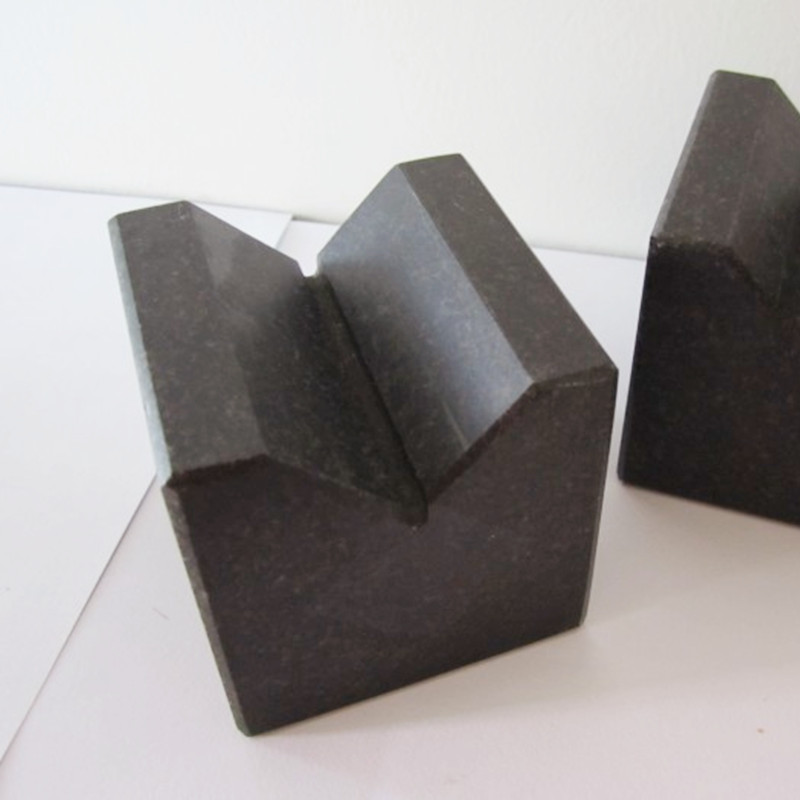
soundproof glass panels
Understanding Spirit Levels The Importance of Accuracy in Measurement In the realm of construction, engineering, and various crafts, precision is paramount. A spirit level, often referred to as a bubble level, is an essential tool that ensures surfaces are perfectly horizontal or vertical. Among the various specifications available, a spirit level with an accuracy of 0.02 mm/m is noteworthy for its high precision, making it an invaluable instrument in fields where even the slightest deviation can lead to significant consequences. What is a Spirit Level? A spirit level typically consists of a sealed tube containing a liquid and a bubble of air. When the level is placed on a surface, the bubble will move along the tube, indicating whether the surface is level. The principle is straightforward, yet its implications are extensive. For instance, if a foundation is not adequately leveled, it could compromise the structural integrity of a building, leading to potential safety hazards. The Importance of Measurement Accuracy The specification of 0.02 mm/m indicates that for every meter of measurement, the allowable deviation is a mere 0.02 mm. This level of precision is particularly crucial in high-stakes industries. In construction, for example, a slight misalignment could affect everything from aesthetics to functionality. Consider the installation of large, heavy machinery or the crafting of fine furniture; even the smallest error can result in significant issues down the line. Therefore, using a spirit level that boasts such tight accuracy standards is vital. Applications in Various Fields spirit level 0.02 mm m 1. Construction In the construction industry, spirit levels are used extensively during the building process. Ensuring that floors, walls, and ceilings are perfectly aligned is critical for both safety and design. A level that provides an accuracy of 0.02 mm/m ensures that any structural element can be installed precisely, reducing the risk of settling, cracking, or failure. 2. Manufacturing In manufacturing settings, machinery that operates on a level plane increases efficiency and reduces wear and tear. For industries that rely on precision engineering, such as aerospace or automotive, using a spirit level with high accuracy is non-negotiable. 3. Carpentry Skilled craftsmen such as carpenters depend on precise measurements to avoid costly mistakes. The aesthetic appeal of finished woodwork greatly depends on straight lines and right angles. A spirit level that measures with 0.02 mm/m precision helps ensure the integrity of joints and connections, enhancing both the functionality and the appearance of the final product. 4. Photography and Film Interestingly, even in creative fields like photography, a spirit level is crucial. For landscape photographers, achieving the perfect horizon is vital for capturing stunning images. A level that guarantees precision helps in setting up shots that are visually appealing. Conclusion A spirit level with an accuracy of 0.02 mm/m is more than just a simple measuring tool; it is a bridge between vision and reality in various professional fields. Its significance extends beyond just leveling surfaces; it embodies the principles of precision and attention to detail that are necessary for quality craftsmanship. As we advance into a future where technological precision is ever more critical, understanding the importance and application of tools like the spirit level becomes not only beneficial but essential for success in many disciplines. Whether you are constructing a building, aligning machinery, or capturing the perfect photograph, the reliability offered by such high-accuracy spirit levels ensures that your work is grounded in precision and excellence.
about
soundproof glass panels
Precision measurement lies at the heart of metrology, and master ring gages serve as the cornerstone of calibration systems. These tools ensure traceability to international standards while maintaining compliance with stringent quality frameworks. This article explores the interplay between specialized tools like custom ring gages , ring gauge sets , and metal ring gauges , alongside the principles of dimensional inspection using gauge meant ring methodologies. From material science to calibration protocols, we dissect the practices that uphold measurement integrity in labs worldwide. The Role of Master Ring Gages in Metrological Traceability A master ring gage acts as the primary reference standard in calibration workflows. Crafted from ultra-stable materials such as hardened stainless steel or tungsten carbide, these gages undergo rigorous certification to align with national or international measurement standards. Their precision ensures that working ring gauges—used daily in manufacturing—retain accuracy over time. Traceability is achieved through documented calibration chains, linking every measurement back to a recognized authority like NIST or ISO. Environmental controls are critical during calibration. Temperature fluctuations as small as 1°C can induce micron-level dimensional shifts in metal ring gauges , necessitating climate-controlled lab spaces. Additionally, surface finish quality—often polished to a mirror-like gloss—reduces friction during measurements and minimizes wear. Compliance demands regular recalibration of master ring gages to account for gradual material fatigue or micro-abrasions invisible to the naked eye. Modern labs employ laser interferometry or coordinate measuring machines (CMMs) to validate these standards, ensuring deviations remain within ISO 17025 thresholds. Custom Ring Gages for Specialized Applications When standard gauges fall short, custom ring gages provide tailored solutions. These tools are designed for unique part geometries, such as non-circular bores or tapered components, common in aerospace or medical device manufacturing. Materials like corrosion-resistant stainless steel or lightweight titanium are selected based on operational demands. For instance, a custom ring gage used in semiconductor fabrication might incorporate non-magnetic alloys to avoid interference with sensitive components. The design process for custom ring gages often involves 3D modeling and finite element analysis (FEA) to predict thermal or mechanical stress. Post-machining, these gauges undergo stress-relief treatments to stabilize their structure. In sectors like energy or defense, where parts operate under extreme pressures, custom ring gages may feature reinforced edges or hybrid material layers to prevent deformation. Collaboration between metrology engineers and end-users ensures these tools meet both functional and regulatory needs without over-engineering. Ring Gauge Sets: Versatility in Calibration Systems A comprehensive ring gauge set streamlines calibration across diverse applications. These sets include multiple gauges with incremental diameters, enabling labs to verify parts across tolerance ranges. Materials vary within sets: carbide gauges suit high-wear environments, while steel options balance affordability and performance. A well-curated ring gauge set also accounts for industry-specific requirements. Automotive labs, for example, prioritize gauges with tight tolerances for engine components, while construction equipment manufacturers might focus on ruggedized designs. Advanced sets incorporate RFID tags or QR codes for digital tracking, linking each gauge to its calibration history. Proper storage—using protective cases and climate-controlled cabinets—preserves their integrity, reducing the risk of dimensional drift due to environmental factors. Periodic audits of ring gauge sets ensure no member of the set exceeds wear limits, maintaining system-wide consistency. Metal Ring Gauge Durability in Demanding Environments The longevity of a metal ring gauge hinges on material science. Stainless steel remains popular for its balance of hardness and machinability, while tungsten carbide excels in high-abrasion settings. Titanium, though costlier, offers unmatched strength-to-weight ratios for portable applications. Surface treatments play a pivotal role in durability. Electroless nickel plating, for instance, enhances wear resistance and reduces friction during inspections. In corrosive environments, alloys with chromium or molybdenum additives form passive oxide layers that prevent pitting. For high-temperature applications, heat-treated steels retain dimensional stability even at 500°C. A metal ring gauge ’s lifespan directly impacts calibration costs, making material choice a critical consideration for lab sustainability. Labs often conduct failure mode analysis to identify wear patterns, informing future material selections. FAQS: Metal Ring Gauge Calibration How does a gauge meant ring differ from a standard ring gauge? A gauge meant ring refers to a tool specifically designed for go/no-go testing. Unlike reference-grade master ring gages , these are used for rapid pass/fail assessments in production lines. Their tolerances align with part specifications, and materials like case-hardened steel ensure they withstand repetitive use. Why are custom ring gages essential for non-standard components? Standard gauges cannot accommodate irregular geometries or specialized tolerances. Custom ring gages are machined to match exact part dimensions, ensuring precise verification without compromising measurement integrity. They also mitigate the risk of false rejects in high-precision industries. What defines a high-quality ring gauge set? A robust ring gauge set includes gauges with certified tolerances, materials suited to their intended use, and traceable documentation. Proper organization—such as labeled storage—minimizes handling errors. Some sets include redundancy for critical sizes to account for wear. How often should a master ring gage be recalibrated? Recalibration intervals depend on usage frequency and environmental conditions. Most labs follow annual cycles, but high-throughput facilities may shorten this to six months. Statistical process control (SPC) data can help optimize schedules. Which metal ring gauge material is ideal for high humidity? Stainless steel with chromium content resists oxidation in humid settings. For extreme conditions, titanium or coated carbide provides additional protection against corrosion. Regular cleaning with anhydrous solvents further prolongs gauge life. By integrating master ring gages , custom solutions , and durable materials, metrology labs uphold the precision and reliability demanded by modern industries. Through rigorous calibration protocols, advanced material science, and adaptive design philosophies, these practices ensure compliance and foster trust in measurement outcomes. As technology evolves, so too must the tools and methodologies that define metrological excellence.
-

High quality industrial productsagement

High quality industrial products
View Details -

Meet the diverse needs of customers

Meet the diverse needs of customers
View Details -

Strict quality control

Strict quality control
View Details -

Top raw materials

Top raw materials
View Details -

Trusted supplier

Trusted supplier
View Details
Our application

news and information

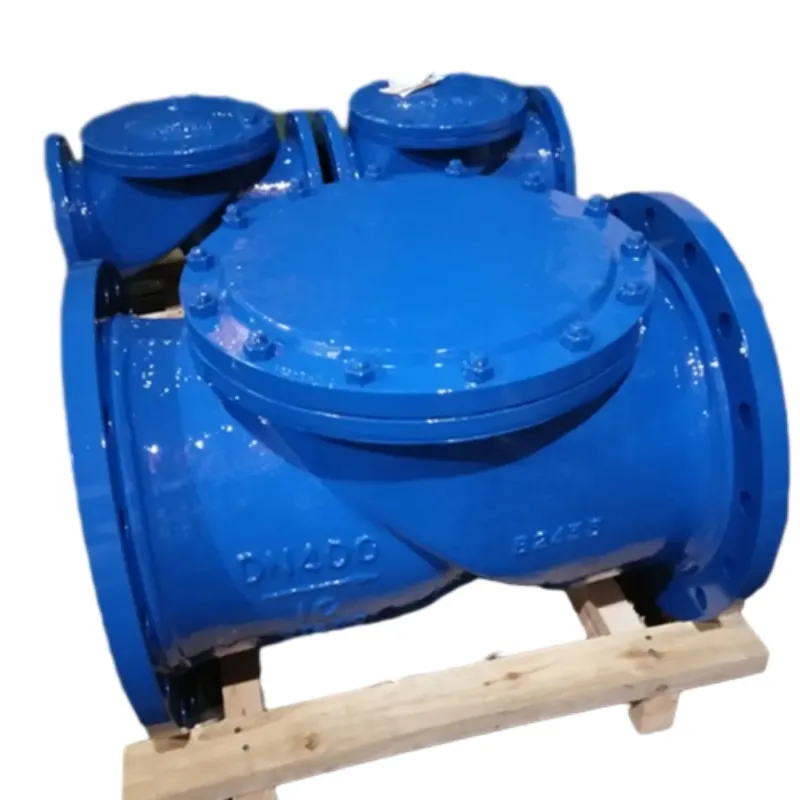
zes procent vlinderklep met actuator voor optimale prestaties en efficiëntie
De 6% Vlinderklep met Actuator Efficiëntie en Betrouwbaarheid in Regeltechniek In de wereld van rege

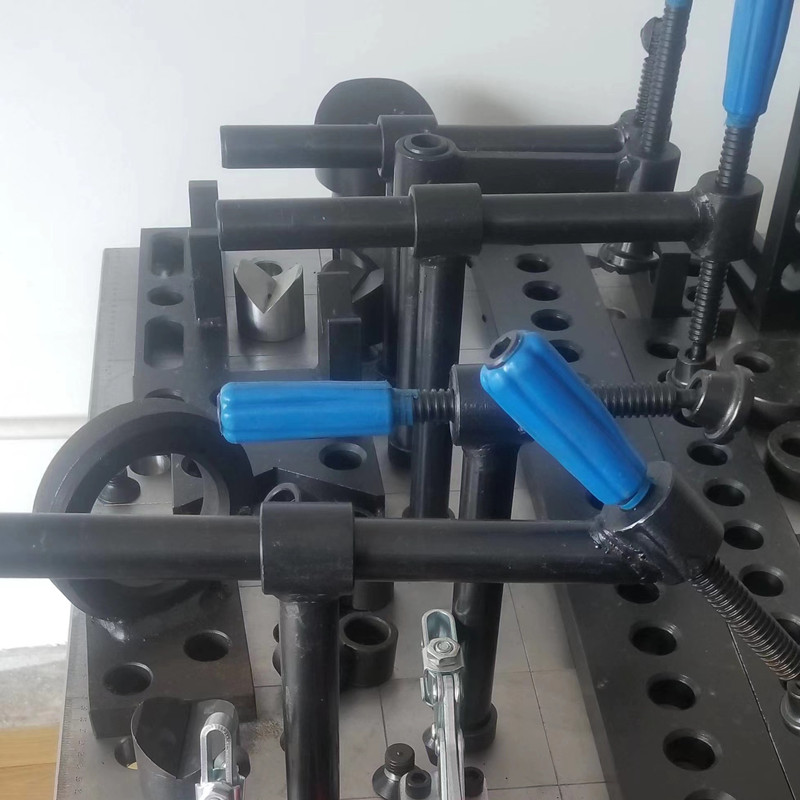
Versatile Clamping Solutions for Welding Tables and Projects
The Importance of Welding Table Clamps in Metal Fabrication Welding is an essential process in metal

Vent cap made of plastic resembling a mushroom design for ventilation systems.
Plastic Mushroom Vent Cap An Overview Plastic mushroom vent caps are an essential component of vari
 English